The Ultimate Guide: How to Open a Modern Fitness Club in 2026 (Equipment, Tech, Software)
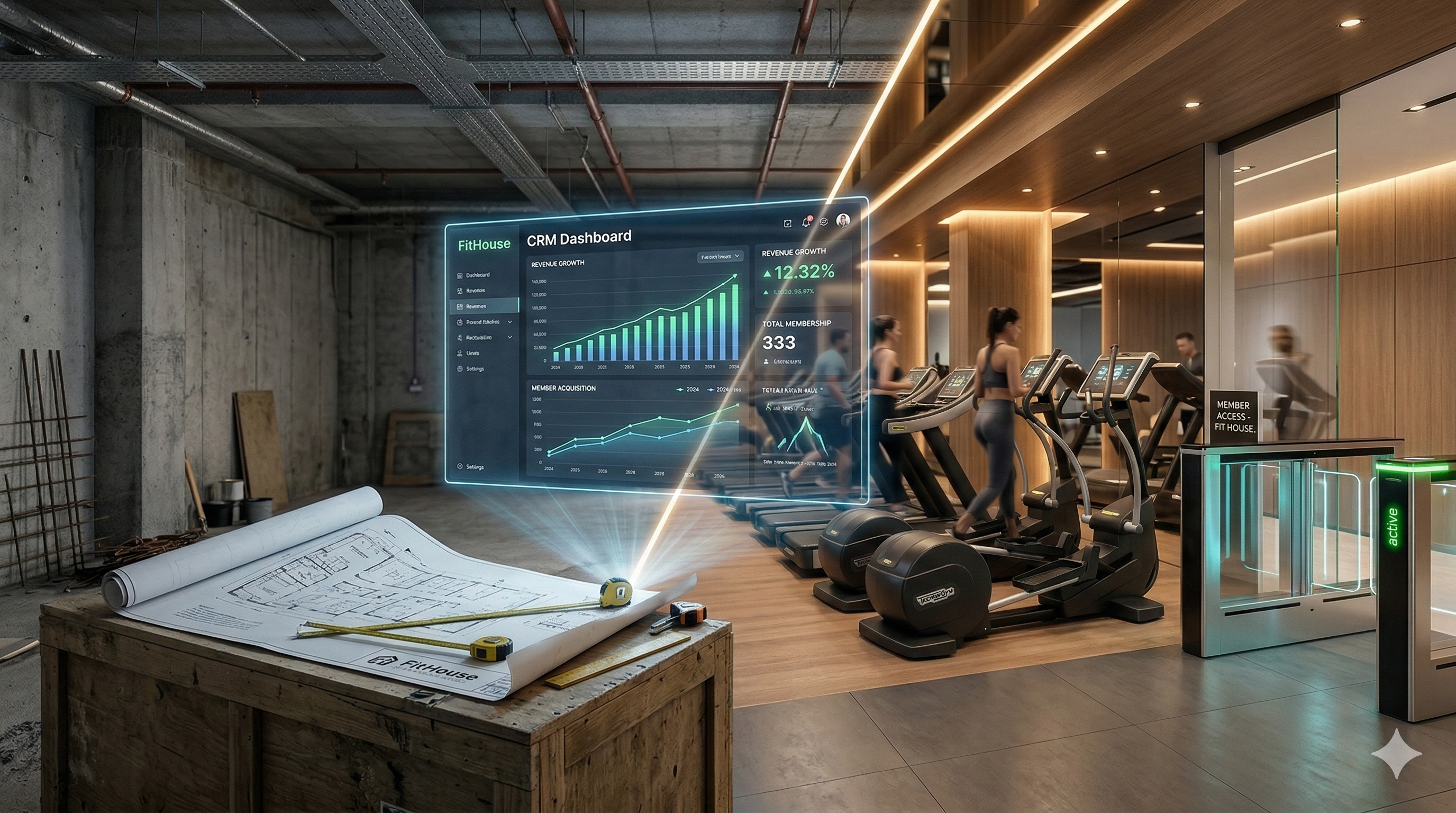
Opening a fitness club today is fundamentally different from what it was 5 or 10 years ago. In 2026, you can't just rent a basement, put in a dozen iron machines, put a student at the reception desk, and expect clients to line up.
Today, fitness is a high-tech business at the intersection of sports, IT, and hospitality. Clients have become demanding: they want convenience, digitalization, cleanliness, and 24/7 access.
In this guide, we will break down the step-by-step plan for launching a successful fitness project: from choosing a concept to configuring turnstiles.
Step 1: Concept and Business Model
Before looking for a space, answer the question: who is your client? The days of huge, faceless gyms are passing. The market is segmenting:
Premium Clubs: Focus on service, SPA zones, pools, and expensive equipment brands (Technogym, Life Fitness). High margins, but huge initial investments.
Low-Cost Chains: Work on high volume. Minimum staff, 100% automation, cheap memberships.
Boutique Studios: CrossFit boxes, Pilates studios, martial arts schools. They require less space, build a strong community, and have the highest retention rates.
Step 2: Premises and Engineering (Hidden Costs)
Many beginners make the mistake of investing their entire budget in machines, forgetting about the renovation. Three things are critical for a fitness club:
Ventilation and Air Conditioning: The smell of sweat and stuffiness will kill your business faster than competitors. The ventilation system must provide at least 60-80 cubic meters of fresh air per person per hour.
Floor Load: In the free weight zone, the floor must be reinforced and covered with a thick layer of shock-absorbing rubber (20 mm and above).
Zoning: Separate the traffic flows. Cardio zone near windows, strength in the center, stretching zone in a quiet corner.
Step 3: Hardware & Machines
Equipment is the face of the club. The classic mix looks like this:
Cardio Zone (25-30% of space): Treadmills, ellipticals, exercise bikes, rowing machines.
Selectorized Machines (30% of space): Safe machines for muscle isolation. Ideal for beginners.
Free Weights Zone (30% of space): Dumbbell racks, bench presses, Power Racks. This is the zone where the most loyal audience gathers.
Functional Zone (10% of space): Pull-up bars, TRX straps, kettlebells, plyo boxes.
Step 4: IT Infrastructure and Access Control (The Heart of the Business)
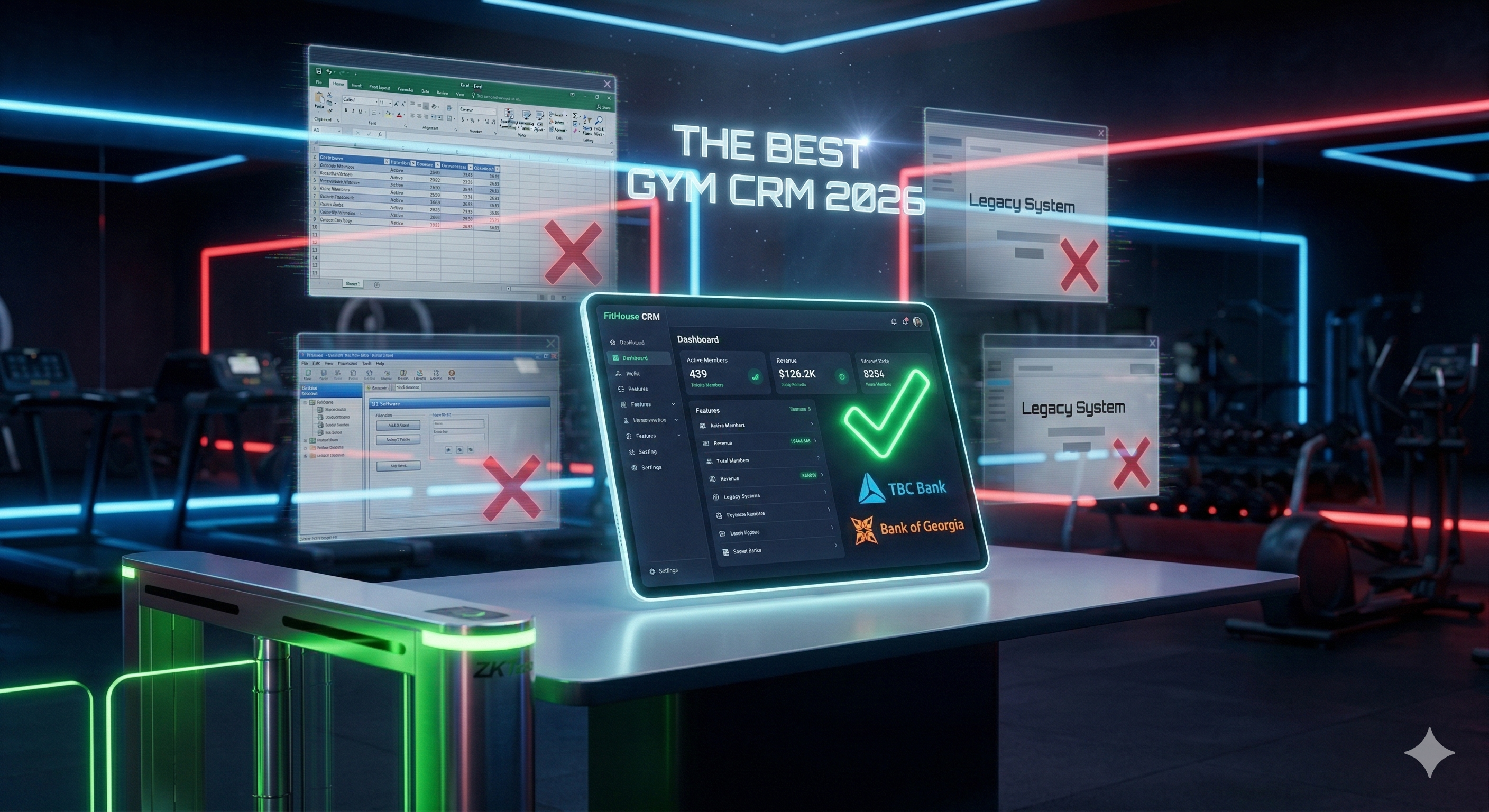
This is the stage where new clubs either lay the foundation for growth or doom themselves to chaos. In 2026, a club cannot run on Excel spreadsheets. You need a reliable IT ecosystem.
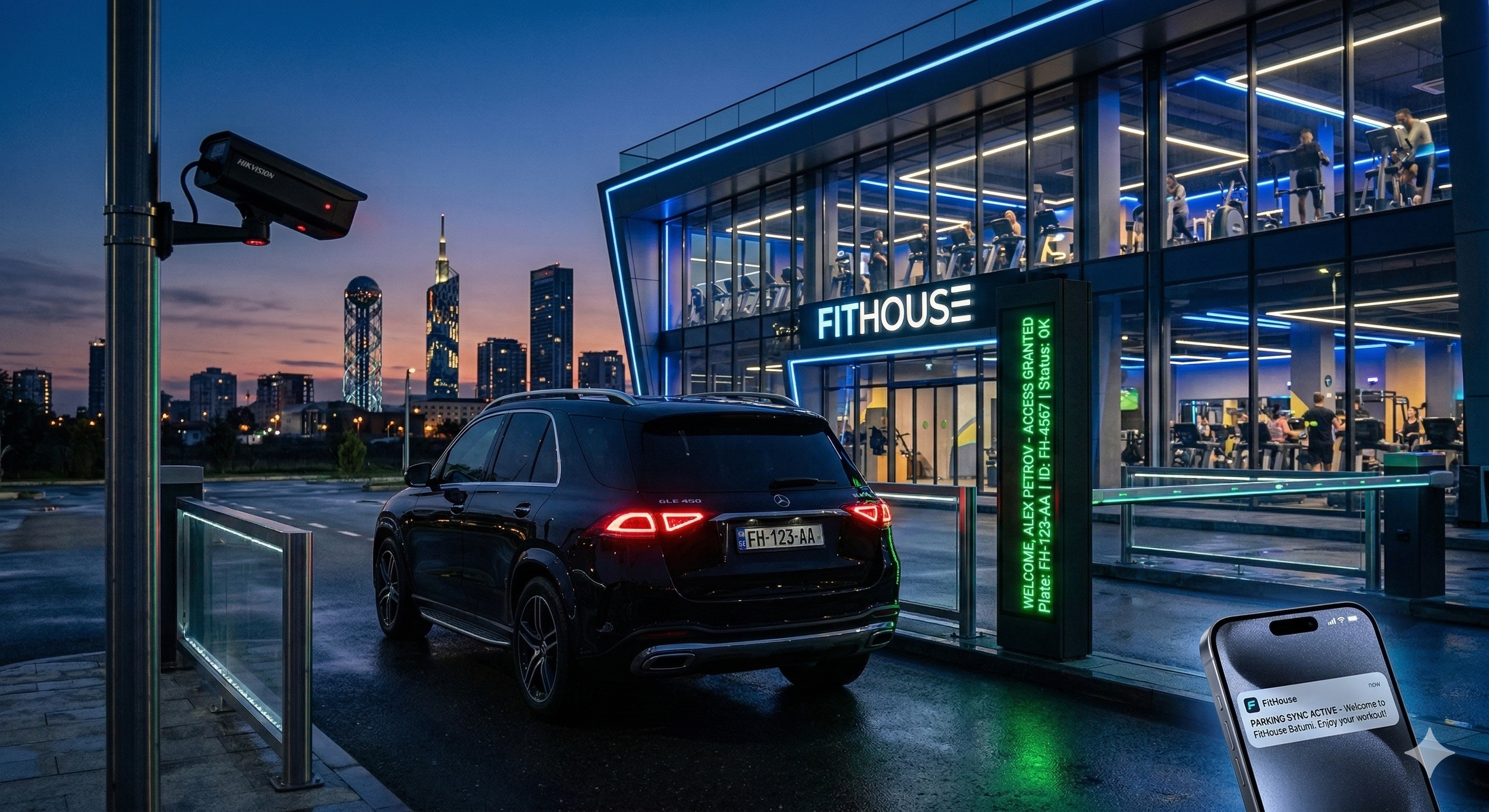
1. Access Control System (Turnstiles) Your club shouldn't lose money due to unpaid entries. Install modern turnstiles (we recommend ZKTeco — they are reliable, look premium, and integrate easily with software). Access should be via biometrics or a dynamic QR code on a smartphone.
2. Management System (CRM) — FitHouse From day one, you need software that unites all processes in a single dashboard. Why do modern gyms in Georgia choose FitHouse?
Direct Turnstile Integration: The system instantly checks the membership and opens the turnstile without receptionist intervention.
Integration with Local Banks (TBC/BOG): Clients can pay for memberships online, and the system automatically records payments and issues receipts.
Offline Mode: If the gym loses internet, the turnstiles and the FitHouse system continue to work locally, syncing data to the cloud once the connection is restored.
Analytics: You see your retention rate, peak hours, and real-time revenue.
Starting a business with the right CRM system will save you hundreds of hours of routine work and protect you from theft.
Step 5: Team and Service
Trainers are your ambassadors. Choose people who know how to communicate, sell, and retain clients. Automation helps here too: in FitHouse, each trainer has their own portal where they can see their personal training schedule and automatic payroll calculation.
Step 6: Pre-sales
Don't wait for opening day to start selling memberships! 2-3 months before the launch, while renovations are underway, launch a landing page. Offer a "Founder's Card" with a good discount. This will allow you to recoup part of the equipment costs and open your doors to a club that is already full of life.
Summary
Opening a fitness club is a marathon, not a sprint. How profitable your business will be depends on established business processes and routine automation.
🔥 Planning to open a gym? Start with the right IT foundation. Contact the FitHouse team for a free consultation. We will help you select ZKTeco equipment, integrate it with our CRM, and set up all financial flows turnkey. Your gym will work like a Swiss watch from day one!
Ready to Scale Your Fitness Business?
Join 500+ premium studios managing members, coaches, and sales with FitHouse.